
Retro gaming handhelds have surged in popularity throughout 2026, blending nostalgia with cutting-edge technology to create an unmatched portable gaming experience. Whether you’re seeking classic games on the go or a device that supports diverse emulation, this expert guide will help you discover the best retro gaming handheld tailored to your needs and budget.
Overview: The Rise of Retro Handheld Gaming in 2026
The retro handheld market has witnessed a remarkable resurgence in 2026, driven by players eager to relive classic gaming moments anywhere. This revival rests on nostalgia, the convenience of portable devices, and advances in hardware and software that enable smooth emulation of multiple consoles. Modern retro handhelds come in various form factors—from compact budget models to sophisticated Android and Linux-based systems featuring OLED touchscreens and Wi-Fi connectivity. Today’s options cater to a broad audience, offering affordable entry points and high-end devices that deliver premium gaming experiences both at home and on the move.
What Makes a Retro Gaming Handheld the "Best"?
Determining the best retro gaming handheld involves several critical factors. Emulation performance is paramount; it dictates how faithfully a device can replicate classic systems from NES to PlayStation and sometimes beyond. Screen quality also plays a key role—sharpness, brightness, and aspect ratio affect gameplay enjoyment. Controls must be responsive and comfortable, whether that means precise D-pads, hall effect analogue sticks, or solid microswitch buttons. Build quality impacts durability, while the operating system and user interface determine ease of navigation and emulator compatibility. Battery life and portability further define user experience, alongside price, which helps position devices in tiers from budget options to premium offerings.
How to Choose the Right Retro Handheld for You
Start by considering your favourite retro games and the consoles you want to emulate. If you favour cartridge-based titles, devices supporting physical media like the Analogue Pocket or Evercade are ideal. If emulation flexibility is key, Android or Linux-based handhelds offer a wider range. Balancing budget against performance is essential—entry-level options serve beginners well, while midrange choices improve screen and control quality. Form factor and screen size affect portability and comfort, so think about whether you prefer a clamshell design, vertical layout, or widescreen device. Ultimately, select a handheld that complements your gameplay preferences and lifestyle.
Best Retro Gaming Handhelds Under $50
Finding a quality retro handheld under $50 is challenging but possible with the right compromises. Devices in this price range focus on affordability, often trimming features like screen resolution or emulation capabilities. The Miyoo Mini Plus stands out with its compact design, solid 2.8-inch IPS display, and decent performance for early console games like NES, SNES, and Game Boy. Another contender, the BattleXP G350, offers a slightly larger screen but sometimes falls short in emulation smoothness compared to more expensive options.
Below is a comparison summarising key specs and ideal users within this budget tier:
| Device | Screen | Emulation Support | Battery Life | Best For |
|---|---|---|---|---|
| Miyoo Mini Plus | 2.8" IPS HD | NES, SNES, GB, GBC, GBA | 6-8 hours | Beginners, Classic 8/16-bit gaming |
| BattleXP G350 | 3.5" IPS | NES to PS1 (limited) | 5-7 hours | Entry-level users wanting a bigger screen |
Choose these affordable options if you want a portable, budget-friendly device primarily for simpler retro games without expectations of cutting-edge display or advanced emulation.
Best Retro Handhelds Between $50 and $100
The $50 to $100 price range hits a sweet spot for gamers wanting improved portability and function without breaking the bank. The Anbernic RG28XX offers a crisp 2.8-inch IPS screen, solid emulation for systems up to PSP in certain builds, and a lightweight design ideal for smaller hands. Conversely, the MagicX Mini Zero prioritises battery life and emulator compatibility, running multiple ROM formats with ease.
Both devices boast better build quality and control responsiveness than sub-$50 models but have some trade-offs. The RG28XX can sometimes feel cramped for larger hands, while MagicX Mini Zero’s screen is slightly smaller than average. Notable strengths are extended battery life and better user interfaces, making these devices great for on-the-go classic gaming.
Consider your hand size and desired platform support when choosing in this tier, especially if you target systems like NES, SNES, Genesis, or early PlayStation titles.
Top Retro Handhelds in the $100 to $150 Price Range
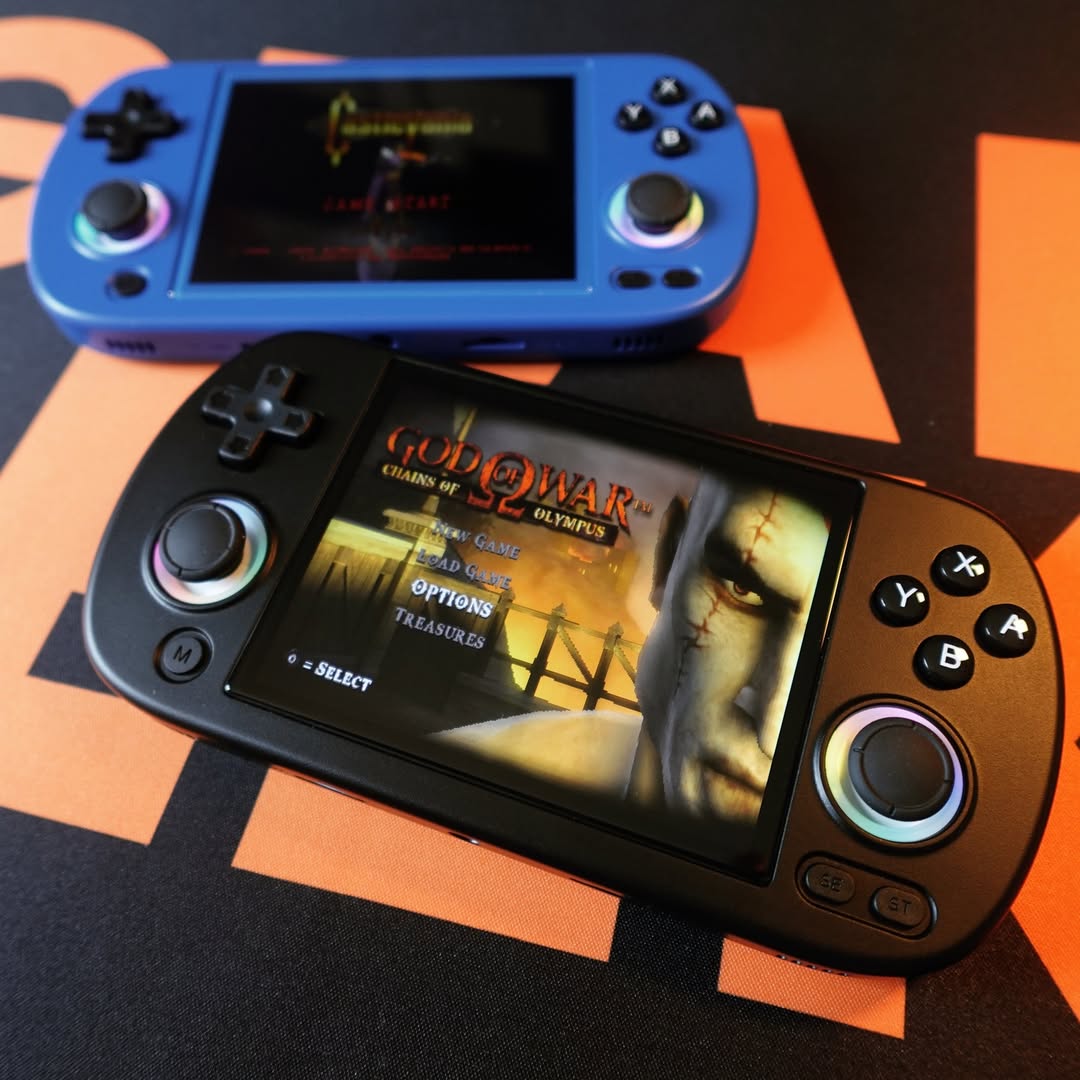
At $100 to $150, retro handhelds take a significant leap in power, screen quality, and emulation capabilities. The Retroid Pocket 4 Pro is a flagship of this segment, featuring a 4.7-inch IPS display and hardware capable of emulating consoles up to PS2 and GameCube with notable success. It runs a custom Android OS offering access to built-in emulators and popular apps, blending retro gaming with some modern titles.
This range strikes a balance between portability and performance, appealing to gamers who want more versatility without sacrificing handheld convenience. Improved screen size and higher refresh rates enhance classic game visuals, while better controls contribute to a smooth experience. This tier suits users ready to invest in a device that covers a broad retro and light modern gaming library.
Best Retro Handhelds from $150 to $250
If you’re aiming for premium mid-tier handhelds, options like the Anbernic RG476H and Retroid Pocket Mini V2 come into focus. These devices often feature OLED screens, improving contrast and colour vibrancy, especially appreciated in darker retro game scenes. The RG476H combines a classic 4:3 aspect ratio ideal for many retro titles with powerful hardware for near-flawless emulation.
The Retroid Pocket Mini V2 balances form factor and performance, with robust analog sticks and shoulder buttons suited for more demanding games like retro fighting titles. Widescreen versus 4:3 usability affects game genres differently; the former is preferred for platformers and action games, while the latter excels for classic JRPGs and arcade titles.
Ergonomic design becomes crucial at this price, with device size and grip comfort influencing longer gaming sessions. These handhelds cater to enthusiasts seeking high value without jumping to flagship prices.
High-End Retro Handhelds ($250 to $400 and Above)
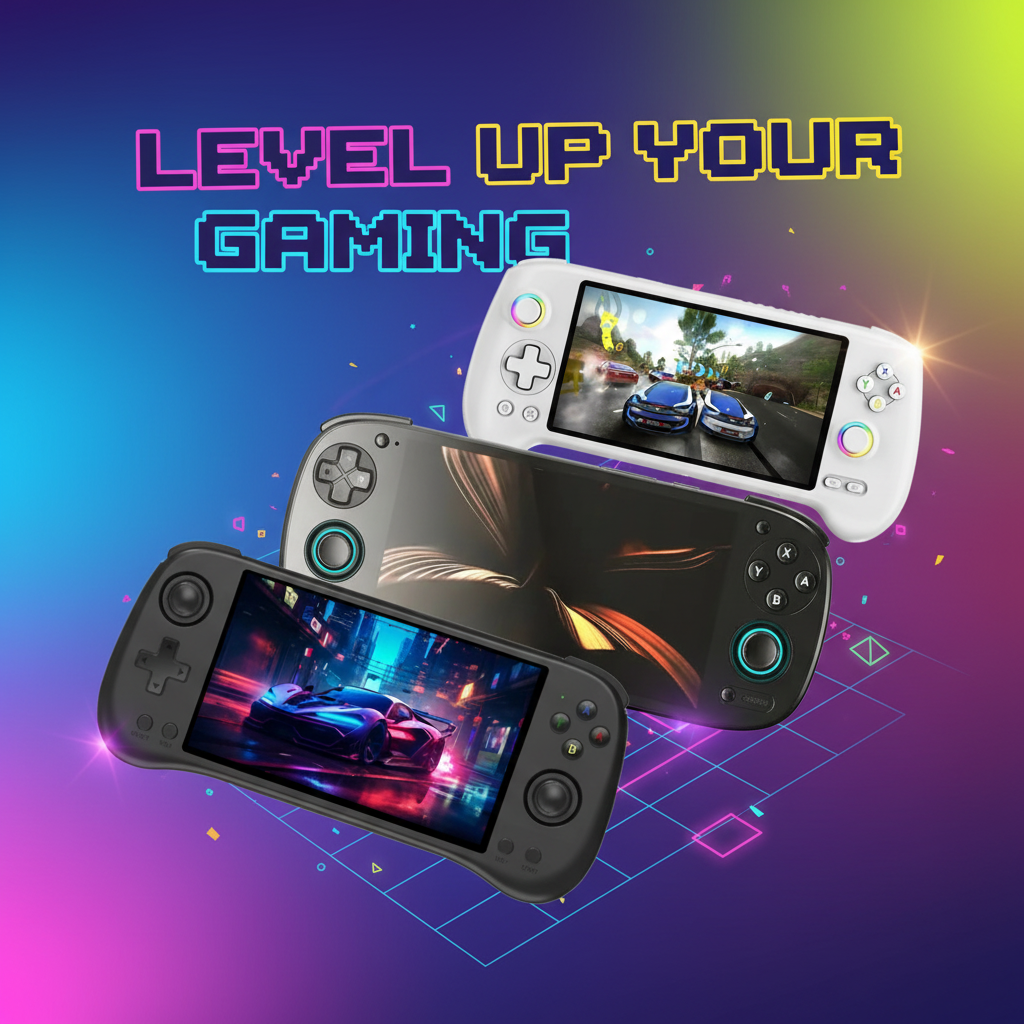
Flagship retro handhelds from $250 upwards embody the pinnacle of portable classic gaming technology. Devices like the dual-screen AYN Thor and high-performance Android handhelds such as the AYN Odin 2 Portal redefine emulation and portable entertainment. These feature large 1080p+ OLED screens with high refresh rates, premium build materials, and expansive internal storage.
Powerful quad-core processors and expanded RAM enable flawless emulation of demanding systems including Dreamcast, PSP, and some Xbox 360 titles. Beyond retro, some of these handhelds can even handle lightweight modern gaming thanks to their versatile Android OS and customizable software.
Connectivity perks such as Wi-Fi, Bluetooth, and HDMI TV output enhance multiplayer and big-screen gaming. At this tier, gamers experience the best power to play trade-offs and exquisite craftsmanship, making these devices the best retro gaming handhelds you can buy for immersive, versatile portable play.
Best PC-Like Retro Gaming Handhelds for 2026
A growing niche is PC-like handhelds running Windows or SteamOS, designed for retro emulation alongside full-fledged PC gaming. Top contenders include the Valve Steam Deck OLED, Asus ROG Ally X, and Lenovo Legion Go, each boasting robust GPUs and CPUs well beyond traditional retro handheld specs.
These powerful machines emulate an extensive range of retro consoles flawlessly and support modern PC titles, expanding gaming possibilities tremendously. Trade-offs involve larger size, heavier weight, and shorter battery life compared to dedicated retro handhelds. However, if you seek a high-capable machine for both retro gaming and portable PC gaming, these are the premier choices for 2026.
Unique Form Factors and Specialty Retro Handhelds
Diversifying the market are portable devices with unique designs tailored to specific preferences. Clamshell handhelds like the Anbernic RG-35XX SP and Miyoo Mini Flip protect screens when closed and enhance portability. Vertical format devices, exemplified by the MagicX Zero 40 and TRIMUI Smart Brick, offer ergonomic benefits for retro fighting games and arcade shooters by resembling original cabinet layouts.
Tiny emulation consoles such as the Game Kiddy GKD Pixel 2 provide ultra-compact portability, perfect for beginner gamers or collectors seeking novelty. Each form factor suits different use cases and game genres, allowing players to select devices that best match their style and favourite classic gaming experiences.
Operating Systems and Software Experience on Retro Handhelds
Retro handhelds commonly run Linux-based, Android-based, or custom operating systems, each offering unique user experiences and emulator compatibility. Android OS devices benefit from broad app support and familiar navigation, while Linux systems often deliver streamlined performance and customisation.
Custom OS options like OnionOS or Retroid Launcher enhance emulator management with simplified interfaces and frequent updates. Software choice affects gaming accessibility, compatibility with ROM collections, and the availability of community patches or firmware enhancements. A well-supported OS fosters longer device longevity and smoother gameplay experiences.
Screen Quality and Display Considerations
The screen is critical for retro handheld enjoyment, with size, resolution, and aspect ratio impacting visual clarity and immersion. OLED screens offer vibrant colours and deep blacks, ideal for rich retro art styles, but consume more battery. IPS screens balance colour accuracy and battery life effectively.
Aspect ratio also matters; classic games often run best on a 4:3 or near-square 1:1 display, avoiding distortion and preserving original visuals. Devices with unique shapes cater specifically to different game types, enhancing authenticity. Consider screen type based on whether you prioritise portability, battery life, or pixel-perfect retro presentation.
Controls, Ergonomics, and Build Quality
Responsive controls are indispensable, with quality buttons, D-pads, and analog sticks ensuring precision during gameplay. Hall effect thumbsticks provide smooth, durable input preferred over regular potentiometer sticks. Microswitch buttons deliver tactile feedback and reliability for extended sessions.
Ergonomics influence comfort; device weight and grip shape should minimise fatigue. Durable builds resist wear from frequent use. Additional features such as interchangeable buttons or extra shoulder triggers enhance gameplay versatility, particularly in fighting games or two-player modes.
Extra Features That Enhance Retro Gaming
Modern retro handhelds often include Wi-Fi and Bluetooth for firmware updates, online multiplayer, and controller connectivity. HDMI TV output enables gaming on big screens. Emulation-specific features like save states, rewind functions, and fast forward improve user control during gameplay. Screen filters can replicate CRT effects, adding nostalgic visuals.
Some devices offer dual-boot ability between Android and Linux, providing flexibility to run different software environments. Flourishing community and developer support allows custom patches and frequent firmware updates, keeping devices compatible with new games and optimisations.
Budget Tips: Getting the Best Value Retro Handheld
When shopping for a retro handheld, consider long-term usability over simply picking the cheapest device. Spending slightly above entry-level often yields a far superior screen, controls, and emulation experience. Avoid overly cheap gadgets that sacrifice build quality and emulator performance.
Buying used devices or watching for seasonal sales can secure great bargains on popular models. Prioritise value over sticker price to enjoy retro gaming comfortably for years.
Where to Buy and What to Watch Out For
Purchase from trusted retailers, official manufacturer stores, or reputable marketplaces to avoid counterfeit or poorly made clones common in the retro handheld space. Check user reviews and community feedback for insights on device reliability and software support. Confirm warranty terms and return policies before finalising your order to safeguard your investment.
FAQs: Common Questions About Retro Gaming Handhelds
Can I play modern games on retro handhelds?
Most retro handhelds focus on classic game emulation, so modern games beyond lightweight titles are generally unsupported. Flagship devices like the Steam Deck can handle full modern gaming but are exceptions rather than the rule.
Are emulators legal to use on retro handhelds?
Using emulators is legal when you own original game copies or use open-source emulators. Downloading unauthorized ROMs is illegal and discouraged to respect copyright laws.
Which retro handheld is best for beginners?
Devices like the Miyoo Mini Plus are ideal for beginners due to their affordability, simplicity, and strong community support for troubleshooting and software updates.
What is the best screen size for retro games?
Screens between 4 and 5.5 inches offer an excellent balance of portability and visual clarity, though smaller devices improve on-the-go convenience. The ideal size depends on personal preference and game type.
Do I need a physical game collection for these devices?
Not necessarily. Cartridge-supporting handhelds such as the Analogue Pocket and Evercade accommodate physical games, while most devices rely on emulation requiring ROMs. Both approaches have unique benefits and appeal.
Final Thoughts: Best Retro Handheld for Every Gamer
The best retro gaming handheld depends on your budget, preferred games, and portability needs. From affordable options like the Miyoo Mini Plus to premium devices like the AYN Odin 2 Portal and PC-like Steam Deck OLED, 2026 offers various models for every type of gamer. Prioritise emulation support, screen quality, and controls to find the right fit. Stay informed as new devices emerge and enhance the world of portable classic gaming. Dive into this expert guide and discover your perfect retro handheld today.

Leave a comment
This site is protected by hCaptcha and the hCaptcha Privacy Policy and Terms of Service apply.